

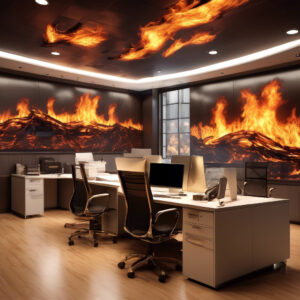
Fire is one of the most destructive forces that can impact a business, leading to property damage, financial losses, and even loss of life. Despite the advanced technology available for fire prevention and suppression, fires still pose a significant threat to commercial properties. Business owners and facility managers must take proactive steps to ensure their buildings are adequately fireproofed. Fireproofing is not only a safety measure but also a legal and financial safeguard that can protect your investment, employees, and customers.
In this article, we will explore the critical importance of fireproofing, the different methods available, and how businesses can implement effective fire prevention strategies. By understanding the risks and solutions, you can take steps to minimize fire hazards and ensure your business remains operational in the event of an emergency.
Understanding Fire Risks in Business Buildings
Business buildings are particularly vulnerable to fires due to various risk factors, including electrical wiring, heating systems, combustible materials, and human error. A single spark or short circuit can escalate into a full-blown fire within minutes. Moreover, businesses that handle flammable substances, such as manufacturing plants, restaurants, or warehouses, face an even greater risk.
According to the National Fire Protection Association (NFPA), businesses suffer billions of dollars in damages annually due to fires. These incidents can lead to loss of data, destroyed assets, and extended periods of downtime. Understanding these risks is the first step toward implementing effective fireproofing measures.
Benefits of Fireproofing Your Business Building
Fireproofing offers multiple benefits that extend beyond immediate safety. Here are some key advantages:
Protection of Life and Property
The most important reason to fireproof your business is to safeguard human life. Employees, customers, and visitors depend on a safe environment. Fireproofing measures, such as fire-resistant materials and automatic sprinkler systems, significantly reduce the chances of injury or fatality in the event of a fire.
Compliance with Legal Regulations
Most local and federal laws mandate fire safety compliance in commercial buildings. The Occupational Safety and Health Administration (OSHA) and the NFPA set strict guidelines for fire prevention and protection. Failure to comply with these regulations can result in hefty fines, legal liabilities, and potential shutdowns.
Reduced Insurance Costs
Fireproofing your building can lower your business insurance premiums. Insurance companies consider fireproofed buildings a lower risk, leading to reduced costs on property and liability insurance. This can translate into significant long-term savings.
Business Continuity and Minimal Downtime
A fire can bring business operations to a halt for weeks or even months. By implementing fireproofing strategies, you can minimize damage and expedite recovery, ensuring your business remains operational with minimal disruption.
Increased Property Value
A well-fireproofed building has a higher market value. Potential buyers and investors view fire safety measures as a crucial factor when assessing a commercial property’s worth. This investment can lead to a better return should you decide to sell the building in the future.
Effective Fireproofing Strategies for Business Buildings
Fireproofing is not a one-size-fits-all solution; it requires a combination of strategies tailored to your building’s specific needs. Here are some of the most effective fireproofing methods:
Use Fire-Resistant Building Materials
Choosing fire-resistant materials is one of the most effective ways to reduce fire hazards. Materials such as fire-rated drywall, concrete, fire-resistant glass, and steel structures significantly slow down the spread of flames. If you are constructing a new building or renovating an existing one, prioritizing fire-resistant materials is a smart investment.
Install Fire Suppression Systems
Fire suppression systems, such as sprinklers, fire extinguishers, and fire alarms, are crucial components of a fireproofed building. Sprinklers can quickly douse flames before they spread, while fire extinguishers provide an immediate response to small fires. Fire alarms alert occupants and emergency responders, allowing for quick evacuation and response.
Regular Electrical Inspections
Faulty wiring is one of the leading causes of commercial fires. Regular inspections by a licensed electrician can help identify and fix potential hazards such as frayed wires, overloaded circuits, and outdated electrical panels. Implementing surge protectors and ensuring proper maintenance of electrical systems further reduces fire risks.
Proper Storage of Flammable Materials
If your business handles flammable substances, proper storage is essential. Chemicals, fuels, and paper products should be stored in designated fireproof containers and kept away from heat sources. Ensure that employees are trained in handling and storing these materials safely.
Fire Doors and Fireproof Barriers
Fire doors and fireproof barriers can compartmentalize a building, slowing the spread of flames and providing additional time for evacuation. These barriers should be strategically placed in high-risk areas, such as kitchens, server rooms, and manufacturing zones.
Employee Fire Safety Training
Even with the best fireproofing measures, human error can still cause fires. Training employees in fire prevention, evacuation procedures, and proper use of fire extinguishers can be life-saving. Conduct regular fire drills and ensure everyone knows the designated escape routes.
Maintain Clear Exit Routes
Emergency exits should be clearly marked and free from obstructions. Panic bars on doors, illuminated exit signs, and accessible escape routes ensure that employees and customers can quickly exit the building in case of a fire.
Install Fire Detection and Monitoring Systems
Modern fire detection systems use heat sensors, smoke detectors, and AI-driven monitoring systems to detect fire risks early. These systems can send real-time alerts to building managers, fire departments, and emergency response teams, allowing for immediate action.
Conclusion
Fireproofing your business building is not just about compliance; it’s about ensuring the safety, security, and longevity of your enterprise. Fires can be devastating, but with the right precautions in place, their impact can be significantly reduced. By using fire-resistant materials, installing fire suppression systems, conducting regular inspections, and training employees, businesses can minimize fire risks and protect their assets.
Investing in fireproofing measures today can save lives, reduce financial losses, and ensure the continuity of your business for years to come. Don’t wait until disaster strikes—take action now to fireproof your business building and secure your future.