

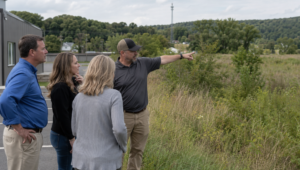
For business owners in Williamstown, West Virginia, land is more than empty space. It can be part of a company’s curb appeal, safety plan, customer experience, long-term property value, and operational strategy. Whether a business owns several acres behind a commercial building, manages a large roadside property, maintains industrial land, or oversees undeveloped acreage for future growth, vegetation can either work for the property or slowly become a costly problem.
Across West Virginia, business growth, land use, tourism, infrastructure, and development continue to shape how property owners think about maintenance. Resources such as the West Virginia Division of Economic Development regularly highlight the importance of business investment, site readiness, and economic opportunity throughout the state. For business owners in Williamstown, that same mindset applies on a local level. A property that looks neglected, unsafe, or difficult to access can send the wrong message before a customer, tenant, investor, or partner ever walks through the door.
Large acreage properties are especially vulnerable because overgrowth does not happen all at once. It starts quietly. A few weeds become dense brush. Small saplings turn into thicker tree lines. Drainage areas become blocked. Visibility from the road fades. Pests find shelter. Before long, what once looked like usable land becomes a tangled, expensive, and potentially hazardous mess.
That is why more property owners are taking a proactive approach to Large Acreage Vegetation Management Williamstown WV. Instead of waiting until overgrowth becomes an emergency, smart business owners are treating land maintenance as a serious part of protecting their investment. 🌿
Overgrown Land Can Quietly Damage a Business Property’s Value
A business property does not need to be in a downtown district to make an impression. In many cases, larger commercial properties, roadside acreage, warehouses, industrial lots, office campuses, retail parcels, and future development sites all depend on visibility and accessibility. When vegetation takes over, the land can begin to look abandoned, even when the business itself is active and successful.
For customers and visitors, appearance matters. A property surrounded by thick weeds, brush, and unmanaged trees may create the feeling that the business is disorganized or inattentive. For investors or potential buyers, unmanaged acreage can raise concerns about hidden costs. For employees, poor land conditions can make parking areas, access roads, walking paths, and outdoor workspaces feel less safe.
West Virginia’s economy includes a mix of small businesses, industrial operations, healthcare, energy, retail, tourism, construction, and professional services. Publications such as WV News Business cover business activity across the state, showing how local economies often depend on businesses looking professional, staying competitive, and making smart long-term decisions. Property condition is part of that equation.
Vegetation management helps preserve the usability and perceived value of the land. A clean, well-maintained property is easier to inspect, easier to market, easier to access, and easier to improve. For a Williamstown WV business owner, that can make a real difference when planning expansions, attracting customers, preparing for inspections, or simply maintaining a strong public image.
Safety Concerns Can Become Expensive Fast
Large acreage overgrowth is not just unattractive. It can create safety issues that may lead to costly problems if ignored. Tall grass, thick brush, dead limbs, invasive vegetation, and unmanaged tree growth can limit visibility, hide uneven ground, block access points, and create hazards around buildings, fences, driveways, parking areas, utility lines, and drainage areas.
For businesses, safety is not optional. A customer walking near an overgrown area could trip over hidden debris. Employees may have difficulty accessing parts of the property. Emergency vehicles may struggle to reach certain areas if access roads or paths are narrowed by brush. Overgrowth can also hide illegal dumping, trespassing activity, or damage to fences and structures.
The larger the property, the easier it is for these issues to go unnoticed. A business owner may see the main entrance every day but rarely inspect back acreage, drainage zones, wooded borders, or unused sections of land. By the time the problem becomes visible from the road or affects daily operations, the cost to correct it may be much higher.
This is where planned vegetation management becomes valuable. Regular cutting, clearing, brush control, and acreage maintenance help business owners stay ahead of hazards instead of reacting after damage occurs. In the same way a business would not ignore a leaking roof or failing HVAC system, it should not ignore land conditions that could create liability, access problems, or expensive restoration needs.
Williamstown Businesses Need Land That Supports Growth
Williamstown’s location near the Ohio River and the Mid-Ohio Valley gives businesses access to a unique mix of local traffic, regional commerce, outdoor recreation, and nearby communities. Business owners in this part of West Virginia often understand the importance of practical land use. Acreage can provide room for future buildings, equipment storage, parking, outdoor operations, expansion, signage visibility, or improved access.
However, land that is not maintained can quickly become land that is not useful. Overgrown acreage may be difficult to survey, difficult to grade, difficult to show to potential partners, and more expensive to prepare for development. Even if a business is not ready to expand today, keeping acreage under control helps preserve future options.
The West Virginia Economic Development Authority focuses on business prosperity, economic welfare, and financial support for development-related activity in the state. While not every local business owner is seeking major financing or expansion, the broader principle still applies: prepared properties create more opportunity than neglected ones.
When acreage is managed properly, a business owner can make better decisions about the land. They can see drainage patterns, evaluate usable space, identify problem areas, protect road frontage, and prevent vegetation from interfering with fences, signage, utilities, and structures. This makes the property more flexible and more valuable over time.
Pest, Drainage, and Fire Risks Should Not Be Ignored
Unmanaged vegetation can invite problems that extend far beyond appearance. Tall grass, brush piles, fallen limbs, and dense vegetation can create shelter for rodents, snakes, insects, and other pests. For businesses that serve customers, store inventory, manage food-related operations, or maintain equipment, pest activity can become a serious issue.
Drainage is another concern. West Virginia’s landscape includes hills, valleys, waterways, and areas where stormwater must be managed carefully. When vegetation becomes too dense or debris blocks drainage paths, water may collect where it should not. Poor drainage can damage gravel areas, parking lots, foundations, access roads, and landscaped spaces.
In dry conditions, unmanaged vegetation may also increase fire risk. Dead brush, dry weeds, and neglected acreage can become fuel. While not every property faces the same level of risk, business owners with large parcels should take this seriously, especially near buildings, equipment storage areas, utility infrastructure, and neighboring properties.
The West Virginia Small Business Development Center provides resources for entrepreneurs and business owners who want to start, grow, and strengthen their companies. One part of building a stronger business is reducing avoidable risks. Large acreage vegetation management supports that goal by helping prevent small property issues from becoming larger operational or financial problems.
Curb Appeal Matters More Than Many Business Owners Realize
Curb appeal is often discussed in residential real estate, but it matters just as much for business properties. A clean exterior creates confidence. It tells people the business pays attention. It helps customers feel more comfortable. It makes employees feel like they work somewhere professional. It can also make neighboring property owners view the business as a positive part of the community.
For businesses with acreage, curb appeal extends beyond the building. Road frontage, fence lines, entry roads, signage areas, open fields, tree lines, and undeveloped sections all influence how the property is perceived. If those areas are overgrown, they can make even a successful business appear neglected.
West Virginia continues to promote itself as a place for investment, tourism, outdoor recreation, manufacturing, and small business growth. Publications like West Virginia Executive highlight leadership, development, and business momentum throughout the Mountain State. Local business owners can support that same professional image by making sure their own properties look maintained, accessible, and ready for opportunity.
For a Williamstown WV business, vegetation management can help create a stronger first impression. It can open up sightlines, make signage easier to see, improve the appearance of entrances, and show that the property is cared for. That matters when customers drive by, when potential employees visit, when vendors arrive, or when community members form opinions about the business.
Waiting Too Long Usually Costs More
One of the biggest mistakes business owners make is waiting until vegetation becomes overwhelming. Small problems are usually easier and less expensive to manage. Once brush gets too thick, saplings mature, access becomes limited, and debris builds up, the work becomes more involved.
Neglected acreage may require heavier equipment, more labor, more time, and more cleanup. In some cases, overgrowth can also conceal damage that has already happened. Fences may be broken. Drainage areas may be blocked. Trash may have been dumped. Trees may be leaning toward buildings or utility areas. The longer the land is ignored, the more surprises a business owner may find.
The Economy of West Virginia includes industries where land, infrastructure, transportation, energy, and property readiness all matter. On a local scale, Williamstown business owners face the same practical reality. Property is an asset, but only if it is maintained in a way that keeps it usable and protected.
Proactive vegetation management helps avoid the “big cleanup” problem. Instead of paying for an emergency clearing project after years of neglect, business owners can maintain the property in a controlled, planned way. This can help reduce long-term costs, protect usable acreage, and prevent overgrowth from reaching the point where it interferes with business operations.
Professional Vegetation Management Helps Businesses Stay Focused
Most business owners are already busy managing customers, employees, inventory, scheduling, sales, operations, finances, and growth. Large acreage maintenance can easily fall to the bottom of the list, especially when the property still appears manageable from a distance. But land does not wait for a convenient time to grow.
Professional vegetation management gives business owners a practical solution. Instead of trying to handle large-scale clearing with limited equipment or inconsistent maintenance, they can work with a team that understands acreage, brush control, terrain, access, and property needs. This helps ensure the work is done efficiently and safely.
For commercial properties, the goal is not simply to cut grass. The goal is to make the land more functional, more attractive, and less likely to create problems. That may include clearing overgrown sections, managing brush, improving visibility, maintaining open areas, protecting access routes, and keeping vegetation away from important property features.
Business owners who take this seriously are not just paying for land maintenance. They are investing in property protection, safety, appearance, and long-term planning.
A Better Property Creates a Better Business Impression
In a competitive business environment, small details can shape big decisions. A customer may choose one company over another because the property looks cleaner and more professional. A potential tenant may feel more confident leasing from a business that maintains its land. A lender, investor, or buyer may view a well-kept property as less risky. Employees may feel safer and more respected when the workplace surroundings are maintained.
The West Virginia Department of Commerce supports economic growth, workforce development, and business activity across the state. While statewide growth depends on many factors, local businesses contribute to that larger picture every day. A well-maintained business property reflects pride, responsibility, and readiness.
For Williamstown WV business owners, acreage should not be treated as forgotten land. It should be viewed as part of the business’s public image and long-term value. Whether the property is used daily or reserved for future development, maintaining it helps protect what the business has already built.
Conclusion
Large acreage vegetation management is no longer something Williamstown WV business owners can afford to ignore. Overgrown land can damage curb appeal, reduce usable space, create safety concerns, invite pests, affect drainage, hide property damage, and increase future cleanup costs. What starts as a few unmanaged areas can quickly become a much larger and more expensive problem.
The smartest business owners are rethinking land maintenance before it costs them thousands. They understand that acreage is not just extra space. It is part of the property’s value, the company’s image, and the business’s future potential.
For businesses in Williamstown and the surrounding Mid-Ohio Valley, proactive vegetation management helps keep land accessible, attractive, safer, and ready for whatever comes next. A clean, controlled property tells customers, employees, neighbors, and investors that the business is serious about protecting its assets and presenting itself well.
In the end, managing large acreage is not just about clearing brush. It is about preventing problems, preserving value, and making sure nature does not take control of a property that should be working for the business.